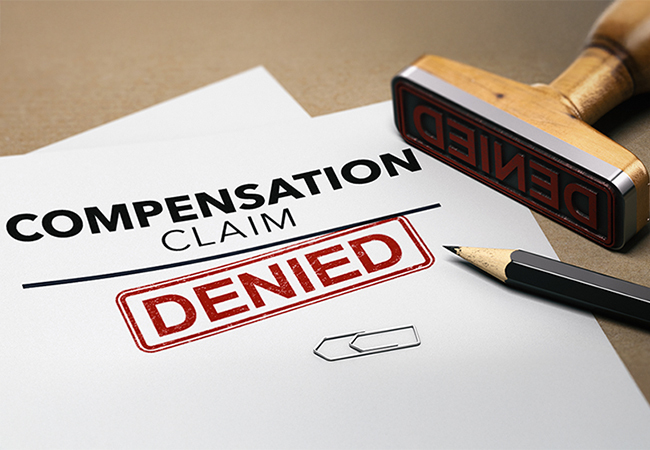
Picture this: You’ve spent months planning the perfect corporate gala, coordinating every detail from catering to entertainment. Three hours before guests arrive, a water pipe bursts in your venue, flooding the entire space. Without proper event insurance, this scenario could spell financial disaster for your organization. While many business owners assume their existing commercial general liability policy provides adequate protection, the reality is far more complex. Understanding the critical differences between event insurance and general liability coverage could save your business thousands of dollars and protect your reputation when unexpected disasters strike.
In today’s event-driven business landscape, companies regularly host conferences, product launches, holiday parties, and client appreciation events. Each gathering presents unique risks that standard business insurance may not adequately address. This comprehensive guide will help you navigate the complex world of event coverage, comparing specialized event insurance against traditional general liability policies to determine which option best serves your business needs.
Understanding Event Insurance: Your Shield Against Special Event Risks
Event insurance represents a specialized form of coverage designed specifically to protect against the unique risks associated with hosting gatherings, celebrations, and business functions. Unlike standard business insurance policies, special event coverage addresses the specific vulnerabilities that arise when people congregate in temporary or non-standard settings.
This targeted protection encompasses various scenarios that traditional policies might overlook. Event planning insurance typically covers property damage to rented venues, bodily injury to attendees, vendor-related incidents, and even weather-related cancellations that could force you to postpone or relocate your gathering.
Key Components of Comprehensive Event Coverage
Modern event insurance policies offer multiple layers of protection tailored to different aspects of your gathering:
- Venue Protection: Covers damage to rented spaces, including hotels, conference centers, and outdoor locations
- Attendee Safety: Provides bodily injury coverage for guests who may be injured during your event
- Vendor Coordination: Addresses vendor insurance requirements and protects against third-party contractor issues
- Equipment Security: Includes equipment protection plans for rented audio/visual gear, decorations, and specialized items
- Cancellation Protection: Offers cancellation coverage options for weather, venue issues, or other unforeseen circumstances
According to industry data, approximately 1 in 6 events experience some form of incident that could trigger an insurance claim, making specialized coverage increasingly essential for event organizers.
Commercial General Liability: The Foundation of Business Protection
Commercial general liability insurance serves as the cornerstone of most business insurance programs, providing broad protection against common risks that companies face in their day-to-day operations. This foundational coverage protects businesses against claims involving bodily injury, property damage, and personal injury that occur as a result of business activities.
For many organizations, commercial general liability represents their first line of defense against lawsuits and claims. The coverage typically extends to incidents occurring at your business premises, damage caused by your products or services, and injuries resulting from your business operations.
What Commercial General Liability Covers
Standard commercial general liability policies typically include several key coverage areas:
- Premises Liability: Protection against injuries occurring at your business location
- Products Liability: Coverage for damages caused by products your business manufactures or sells
- Professional Services: Basic protection for service-related claims
- Advertising Injury: Protection against claims of copyright infringement or false advertising
However, commercial general liability policies often contain significant coverage limitations when it comes to special events, particularly those held at off-site venues or involving activities outside your normal business operations.
Event Insurance vs General Liability: The Critical Differences
While both event insurance and commercial general liability provide liability protection, they address distinctly different risk profiles and scenarios.
Coverage Scope and Flexibility
Event insurance is designed for short-term, high-risk activities and can be purchased for a single event or specific date range. General liability policies are ongoing and focus on routine business operations, not one-time gatherings.
Venue and Contract Requirements
Many venues require proof of event insurance before allowing access to their facilities. General liability policies often fail to meet these venue-specific insurance requirements, particularly for off-site or third-party locations.
Risk Exposure
Events introduce concentrated risk—large numbers of people, alcohol service, rented equipment, and temporary setups. Event insurance addresses these exposures directly, while general liability may exclude or limit coverage.
Cost and Practicality
Event insurance is typically affordable and tailored to the size and nature of the event. Purchasing separate coverage for a specific event is often more cost-effective than increasing general liability limits or risking uncovered losses.
Which Wins for Your Business?
The answer depends on your situation. Commercial general liability is essential for everyday business protection, but it is rarely sufficient on its own for special events. For businesses hosting conferences, celebrations, trade shows, or off-site functions, event insurance provides targeted protection that fills critical coverage gaps.
In many cases, the winning strategy is not choosing one over the other—but using both together to create comprehensive protection.
Final Verdict: Smart Event Risk Management
When comparing event insurance vs general liability, the real winner is proactive planning. Understanding the limitations of your existing coverage and supplementing it with event-specific insurance ensures your business is protected against unexpected disruptions, claims, and financial losses.
If you’re planning an upcoming event, securing proper coverage early can provide peace of mind and protect everything you’ve worked hard to build.